
What is Hyperoxaluria?

Hyper

(too much)

oxal

(oxalate)

uria

(in the urine)

Hyperoxaluria is a condition in which you have too much oxalate in your urine. Oxalate in a natural chemical in your body, and it’s also found in certain types of food. But too much oxalate in your body can cause serious problems. High levels of oxalate are toxic because oxalate cannot be broken down by the body and accumulates in the kidneys that may cause kidney stones. The long term health of your kidneys depends on early diagnosis and prompt treatment of hyperoxaluria.

Are There Different Types of Hyperoxaluria?

There are several types:

Primary Hyperoxaluria

Primary Hyperoxaluria (PH) is a genetic disease— you are born with it. It can present at any age and at any time. PH often goes underdiagnosed and is misdiagnosed. Recurrent kidney stones in adults or any kidney stone in a child is usually the most common sign that you might have PH. Visit our page here.

Enteric hyperoxaluria

Enteric Hyperoxaluria (EH) is a medical condition caused by increased absorption of oxalate from foods in the digestive tract (also called the gut or intestines). It is caused by various underlying conditions that affect the intestines, such as inflammatory bowel diseases (IBD) like Crohn’s disease, as well as malabsorptive conditions like celiac disease, cystic fibrosis, and chronic pancreatitis. Some weight loss surgeries, such as Roux-en-Y gastric bypass, can also increase the risk of developing EH. Visit our page here

Dietary hyperoxaluria 

Dietary Hyperoxaluria is a result of eating large quantities of foods high in oxalate. 

IDIOPATHIC (UNKNOWN) hyperoxaluria 

Idiopathic hyperoxaluria is a type of hyperoxaluria where the cause is unknown. It means that the body produces or absorbs too much oxalate, which can lead to problems like kidney stones and urinary tract issues.

What Causes Primary Hyperoxaluria (PH)?

PH is a family of rare, genetic liver disorders that can damage the kidneys. The liver normally makes proteins, called enzymes, that prevent the body from making too much oxalate. In PH, the liver doesn’t create enough of this enzyme, or the enzyme doesn’t work properly.

PH1

AGXT
genetic mutation

AGXT
enzyme deficiency

PH2

GRHPR
genetic mutation

GR/HPR
enzyme deficiency

PH3

HOGA1
genetic mutation

HOGA1
enzyme deficiency
Symptoms

Although kidney stones are the most common and often the first symptom of hyperoxaluria, not all individuals with hyperoxaluria will have kidney stones. If you experience the below signs and symptoms, you should further investigate to understand the cause, because it could be hyperoxaluria:

  • High levels of oxalate
  • Urinary tract infection
  • Blood in the urine
  • Kidney stones as a child, even only 1
  • Failure to thrive (not growing adequately as a baby
  • Recurrent kidney stones
  • Nephrocalcinosis (finding crystals in kidney tissue)
  • Kidney failure

Life Stage Manifestations

Infancy Childhood/Adolescence/Adulthood
Insufficient weight gain Multiple kidney stones
Formation of kidney stones Progressive kidney stones (including kidney failure)
Early end-stage renal failure Multi-organ dysfunction

Prevalence of Hyperoxaluria

Approximately 1 to 3 of every million people have Primary Hyperoxaluria (PH). Type 1 is the most common form, accounting for approximately 80% of cases. Types 2 and 3 each account for about 10% of cases

The prevalence of Enteric Hyperoxaluria (EH) has been estimated at 5-24% of all patients with gastrointestinal diseases associated with malabsorption. EH is a frequent complication of inflammatory bowel diseases (IBD), ileal resection and Roux-en-Y gastric bypass (RYGB) and is well-known to cause kidney stones, and nephrocalcinosis. EH can also contribute to chronic kidney disease (CKD) and kidney failure.

Prevalence Graphic EH

Inheritance and Genetics

DNA is the genetic material passed down from generation to generation. It contains instructions that help the body grow, develop, and function properly. These instructions are used to make proteins, which each have a specific job in the body.

A genetic disorder happens when there is a change—called a pathogenic variant—in a person’s DNA. This is like a “spelling mistake” in the genetic code that affects how an important protein is made or functions.

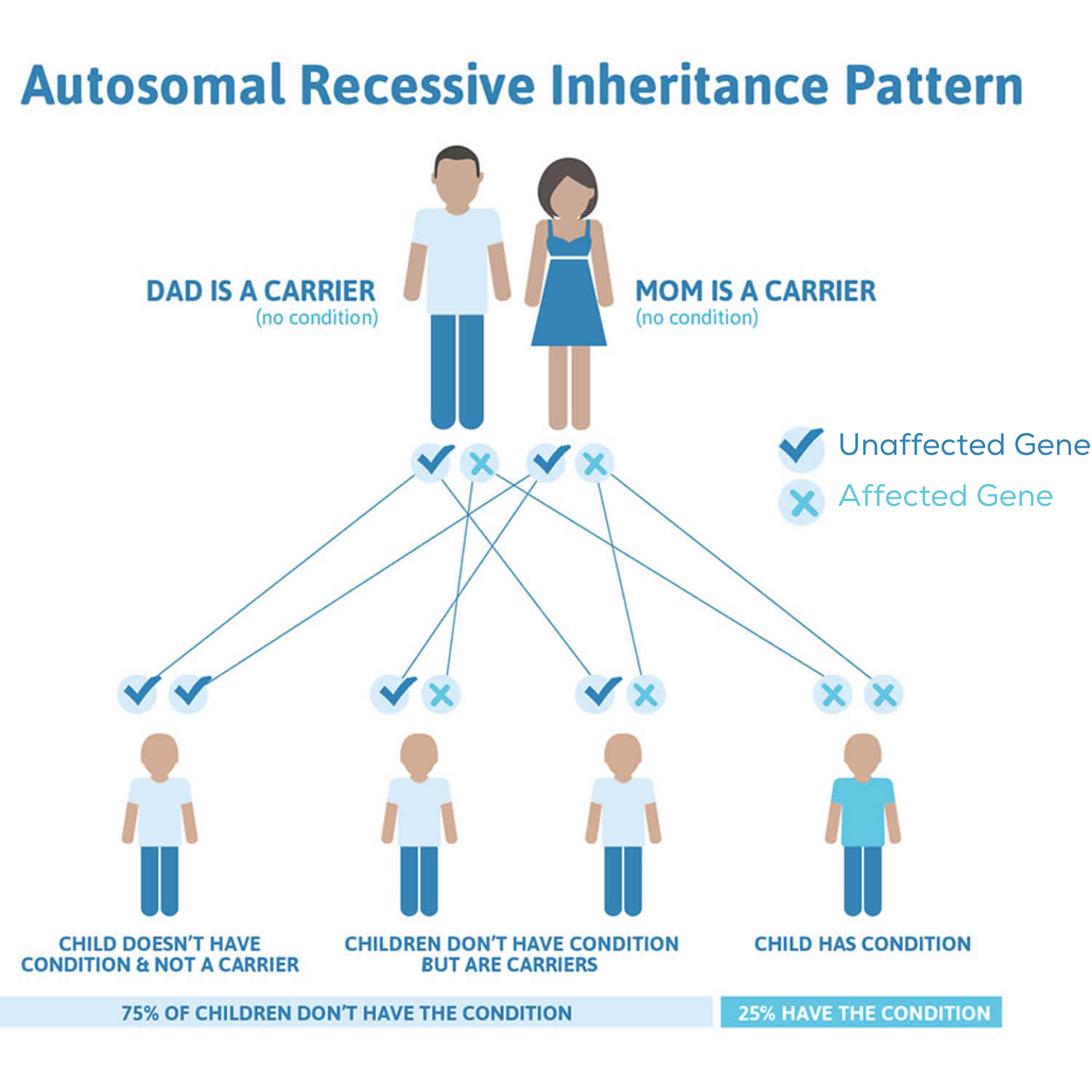
We each have two copies of every gene—one inherited from each parent. Primary Hyperoxaluria (PH) is inherited in an autosomal recessive pattern, which means a person must inherit a pathogenic variant in the same gene from both parents (carriers) in order to be affected.

The genetic changes that cause PH affect how the body makes one of three specific proteins, enzymes mainly produced in the liver. These changes lead to the three types of PH: PH1, PH2, and PH3.

Current and Future Treatment Options

Patients with all types of hyperoxaluria are managed by very large volumes of daily fluid intake and surgery to remove recurrent kidney stones. Untreated forms of the disease lead to progressive kidney damage and other systemic complications. Patients with advanced kidney disease may require intensive dialysis to help filter waste products, including oxalate, from their blood and may require a kidney or dual liver/kidney transplant, an invasive procedure associated with high-risk outcomes and life-long immunosuppression.

Currently, there are two approved therapies for patients with PH1. Having treatments for those with PH1 is encouraging, but there is still much more work to do. OHF is forging ahead with great energy and fervor to find effective treatments and a cure for all patients living with all primary and enteric hyperoxaluria. Read more about the approved therapy and ongoing clinical trials on the OHF website.